

Nurturing nature’s bounty: the beauty of wild farming and seasonal harvesting
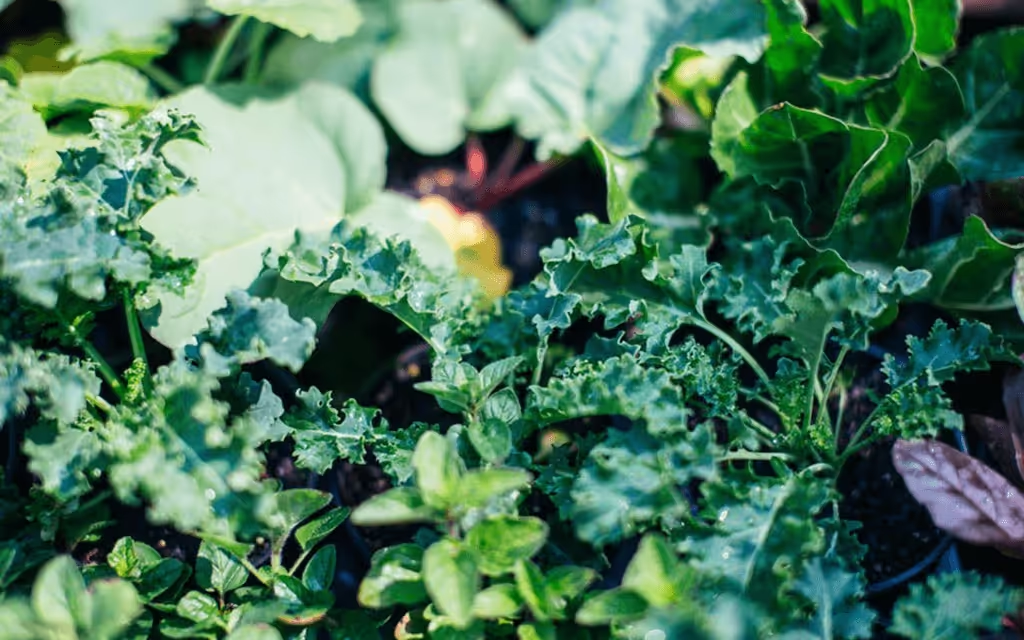
Following Nature’s Rhythm
Wild farming goes beyond traditional agriculture and takes its cues directly from the changing seasons. Rather than imposing monoculture practices, it thrives on the diversity and abundance that each season offers. The process involves foraging for edible plants, fruits, nuts, and fungi that are naturally abundant at a particular time of year. This approach not only harmonises with nature but also ensures that the ecosystem remains balanced and healthy.
Benefits of Wild Farming
- Nutritional Richness: Wild plants are often more nutrient-dense than their cultivated counterparts. The diversity of foods foraged during different seasons provides a broader range of vitamins, minerals, and antioxidants, contributing to a well-rounded and nourishing diet.
- Sustainability: Wild farming is inherently sustainable, as it relies on the natural growth patterns of plants and their ability to regenerate. It eliminates the need for intensive agricultural practices that can harm the environment and deplete soil nutrients.
- Preservation of Biodiversity: Wild farming encourages the preservation of native plant species and their habitats. By utilising a variety of plants, foragers contribute to the maintenance of biodiversity and protect ecosystems.
- Connection to Nature: Engaging in wild farming builds a deep sense of connection with the environment. As individuals forage and explore their surroundings, they develop an intimate understanding of the land, its seasons, and its rhythms.
- Cultural Heritage: Many indigenous cultures have practised wild farming for generations, passing down knowledge of edible plants and sustainable foraging techniques. Keeping this practice alive helps preserve cultural heritage and traditional wisdom.
Proper education matters in wild farming. Foragers must learn to identify edible plants accurately and understand their growth patterns. Ethical harvesting involves taking only what is needed, leaving enough for the plants to regenerate and sustain wildlife. Chefs and home cooks can incorporate foraged ingredients into their culinary creations, celebrating the unique flavours and textures each season offers.
Convenience-driven consumerism often distances us from the origins of our food. Wild farming invites us to rekindle our relationship with the Earth. This ancient practice marries our sustenance with the rhythms of nature, honouring the changing seasons and the bounty they bring. As we immerse ourselves in the art of wild farming, we discover not only the joy of foraging but also the lasting connection that ties us to the land and all its living beings.
Continue reading
The architecture of trust: transparency in sustainable gastronomy

Transparency: the root of a fair gastronomic ecosystem
Beyond the catch: cultivating sustainable & ethical fish farming in the south of France
Every bite matters: Belgium’s flavours redefining conscious convenience

Sustainability and Aesthetics